
Relax your eyes - open your gaze
24 hours only
$17
$57
3
Parts
20 min
Professional Lesson
10
Techniques
What participants may notice
Reduction of under-eye puffiness
1
Smoothing of crow’s feet
2
Relaxation of the eyebrows and forehead
3
A clear, open look
4
Improved blood circulation in the eye area
5
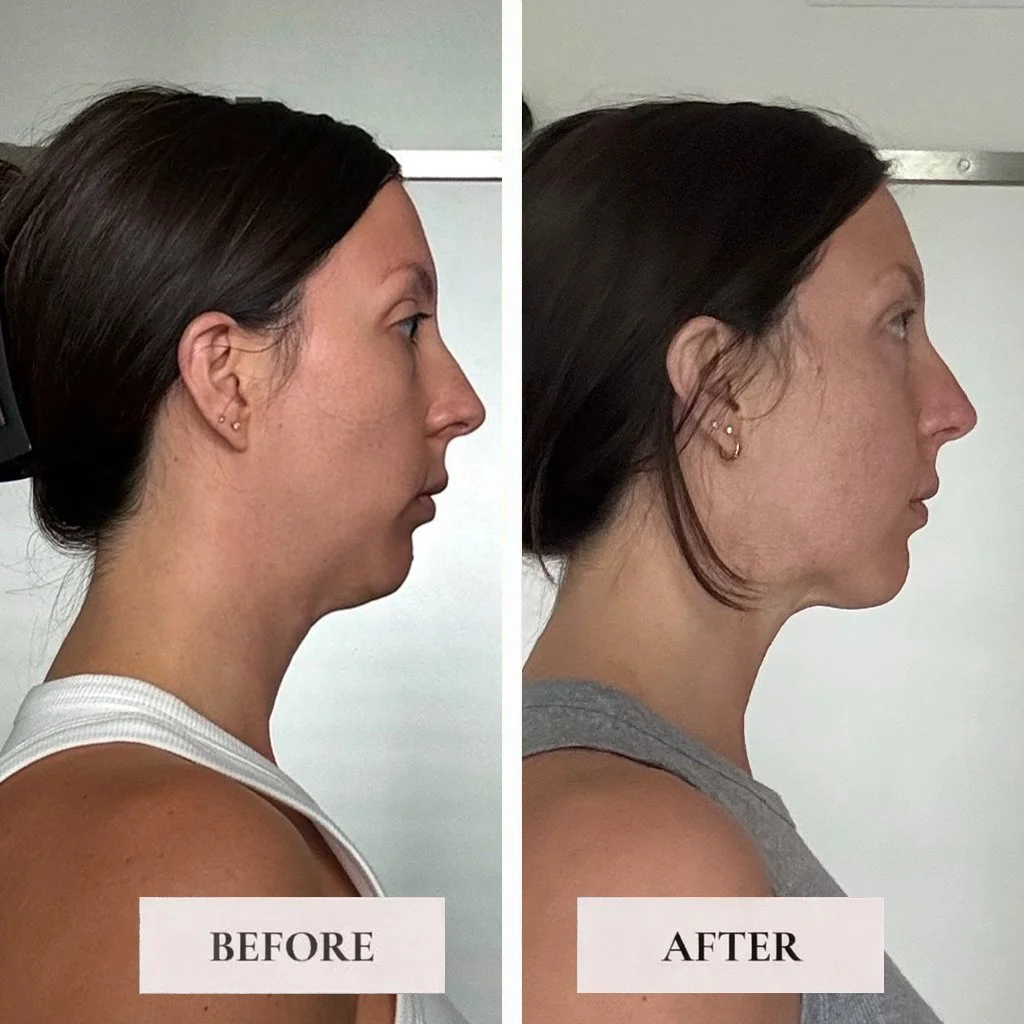
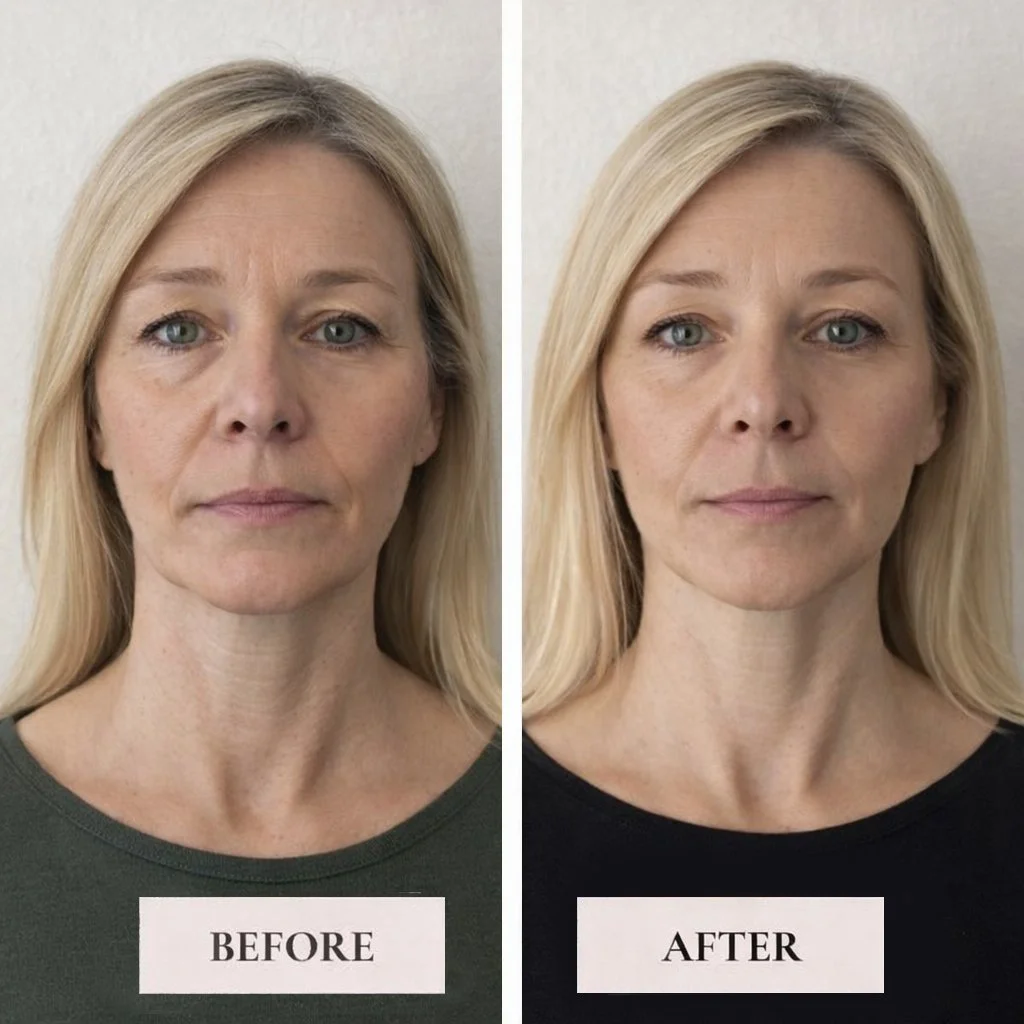
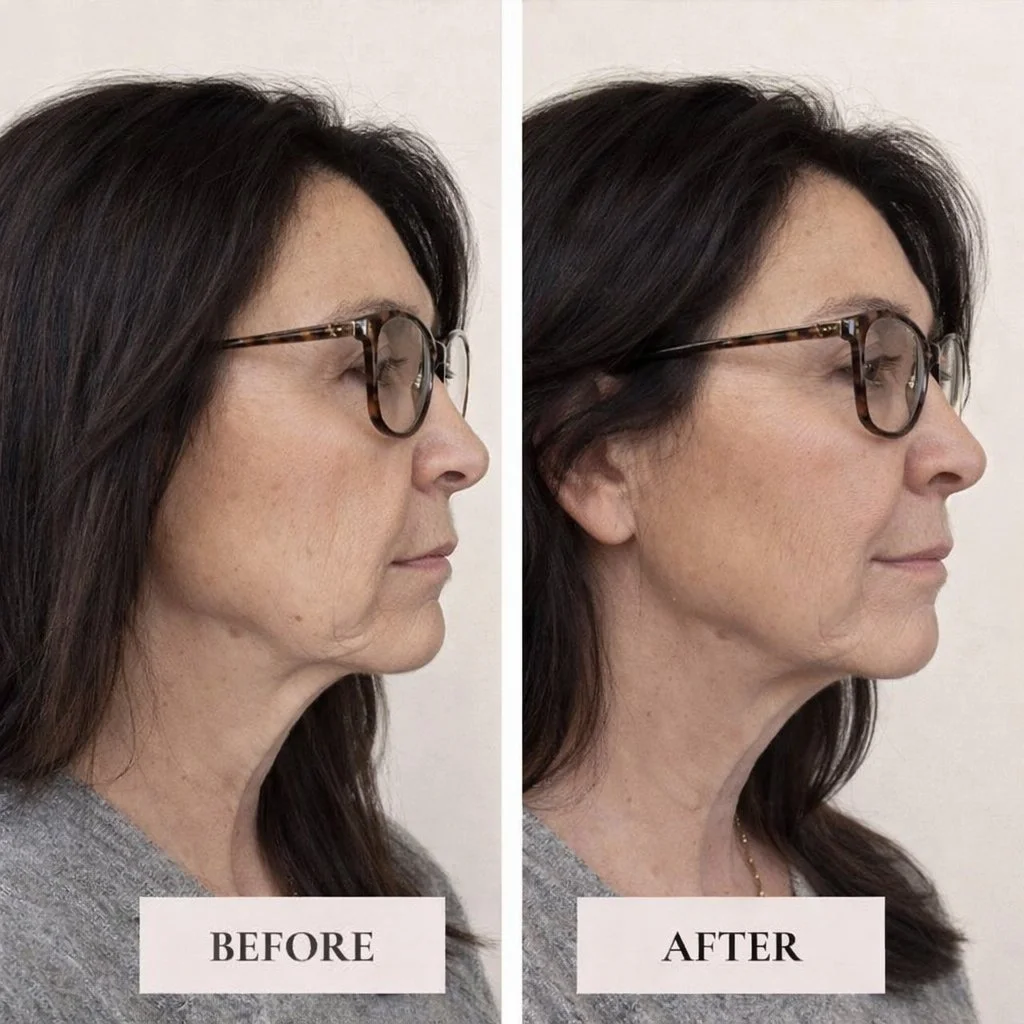
• 20 Minutes • 6 Techniques • Lifetime Results
• 20 Minutes • 6 Techniques • Lifetime Results
This isn't just another face massage tutorial. It's a complete method:
understanding why tension happens, where it lives in your body, and exactly how to release it — step by step, with care and precision.
15 years of practice
Throughout my journey, I've studied and integrated multiple approaches: from classical massage to fascial release, from deep tissue work to gentle nervous system regulation. This diversity of methods allowed me to see what truly works — and why.
Every element of this course has been tested, refined, and shaped through years of real practice with clients and in my own work.
This is not a random collection of techniques. It's a carefully structured system built on a deep understanding of the face–body connection — created to share everything I've learned along the way.
This lesson is for you if you feel:
✓ tension and fatigue in the eye area
✓ puffiness of the eyelids (especially in the morning)
✓ heaviness in the brows and drooping eyelids
✓ headaches starting in the forehead and temples
✓ crow’s feet and wrinkles around the eyes
✓ dryness and discomfort in the eyes from screen use
✓ chronic tension in the neck and back of the head
*Important note
This lesson is educational in nature.Sensations and experiences are individual and depend on anatomy, habits, and consistency of practice. This content does not replace medical or dental care and does not guarantee specific results.
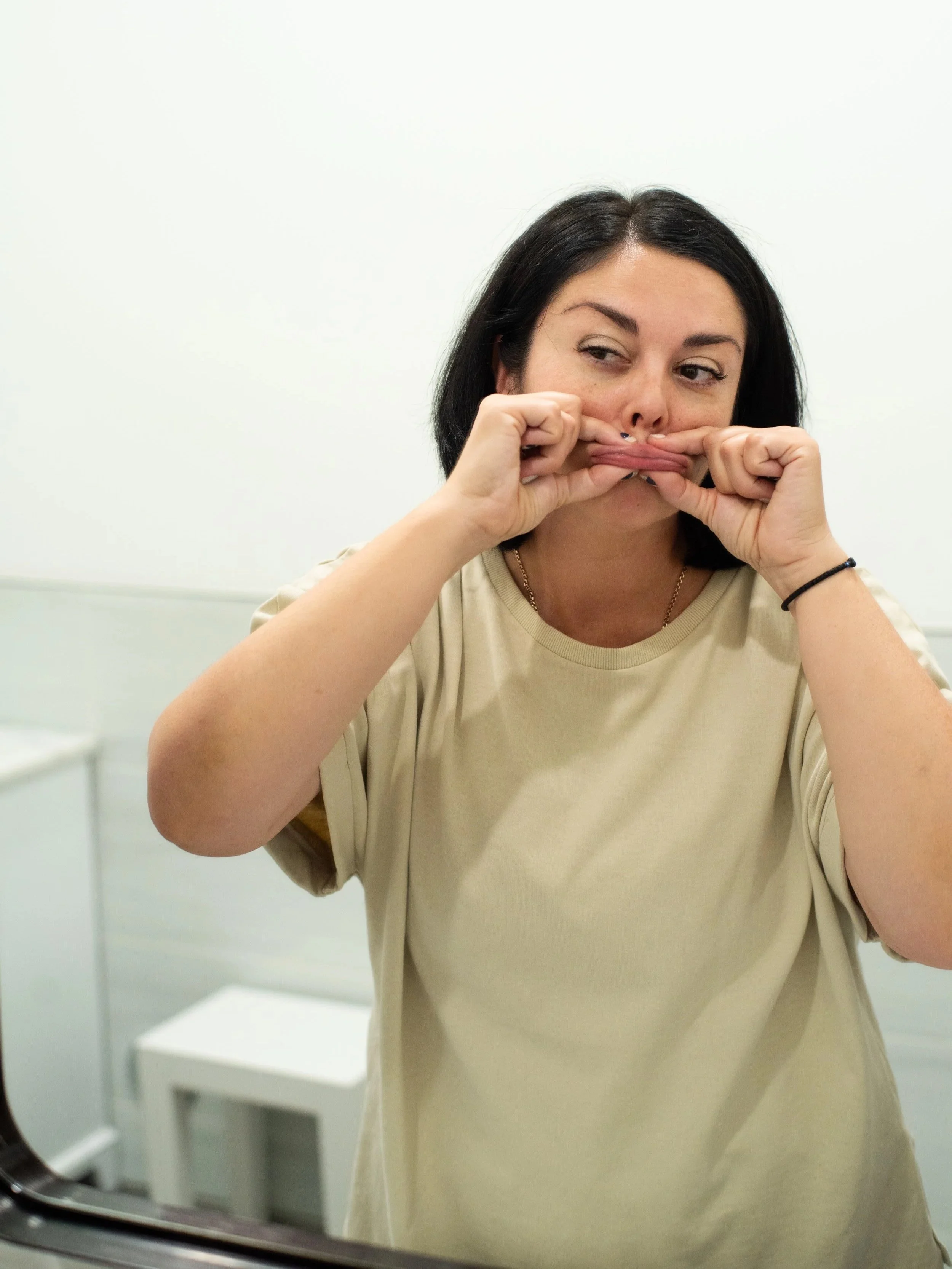
The eye area is a mirror of stress.
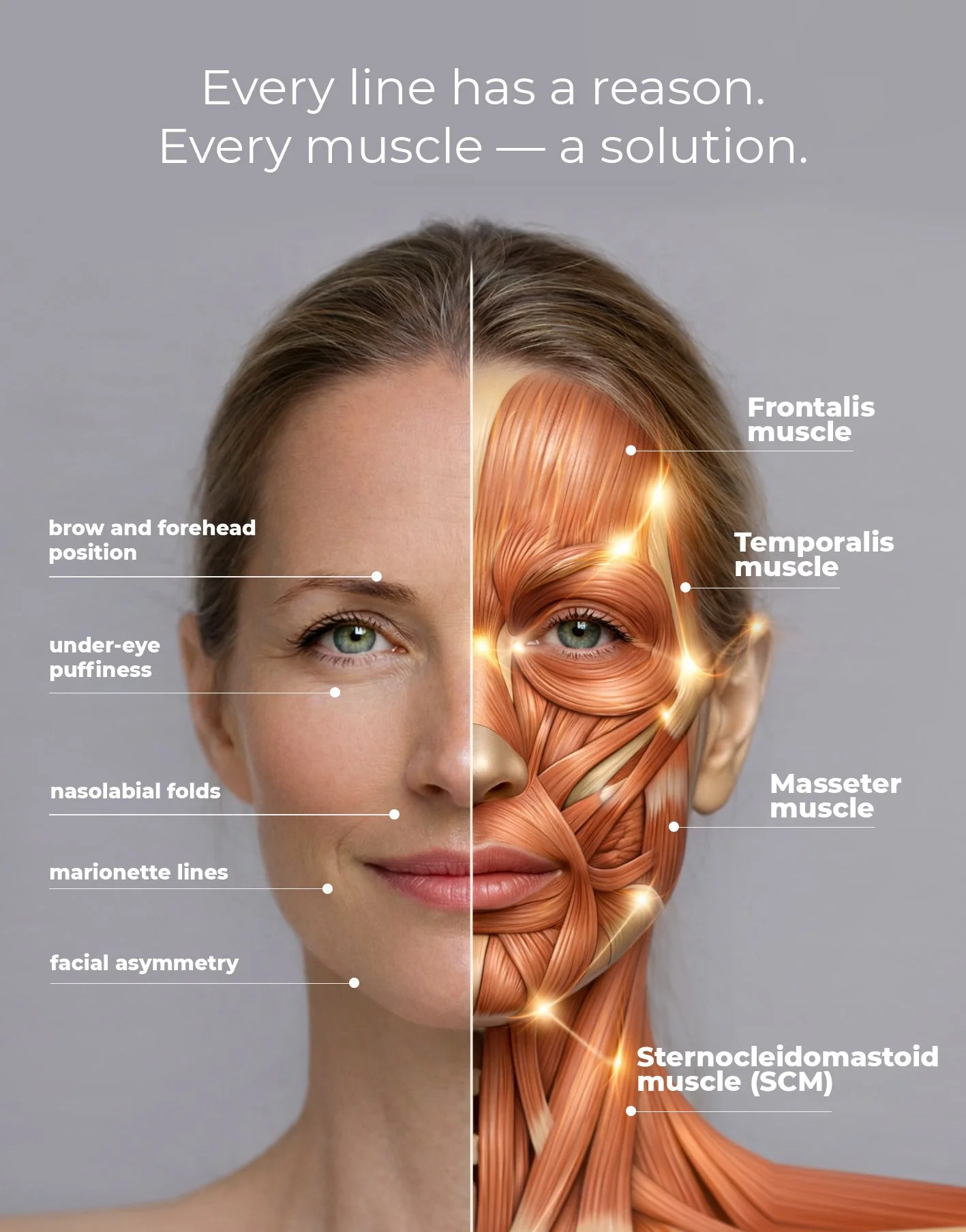
What improves after working on the upper third:
This lesson is not only for those who feel tension around the eyes or experience eyelid puffiness. It is a fundamental step for anyone who wants to improve the condition of their face.
Facial transformation always begins with working on the upper third — the head, forehead, temples, and the orbicularis oculi muscle.
Regular work with this area improves all of these conditions and very often completely eliminates their manifestations.
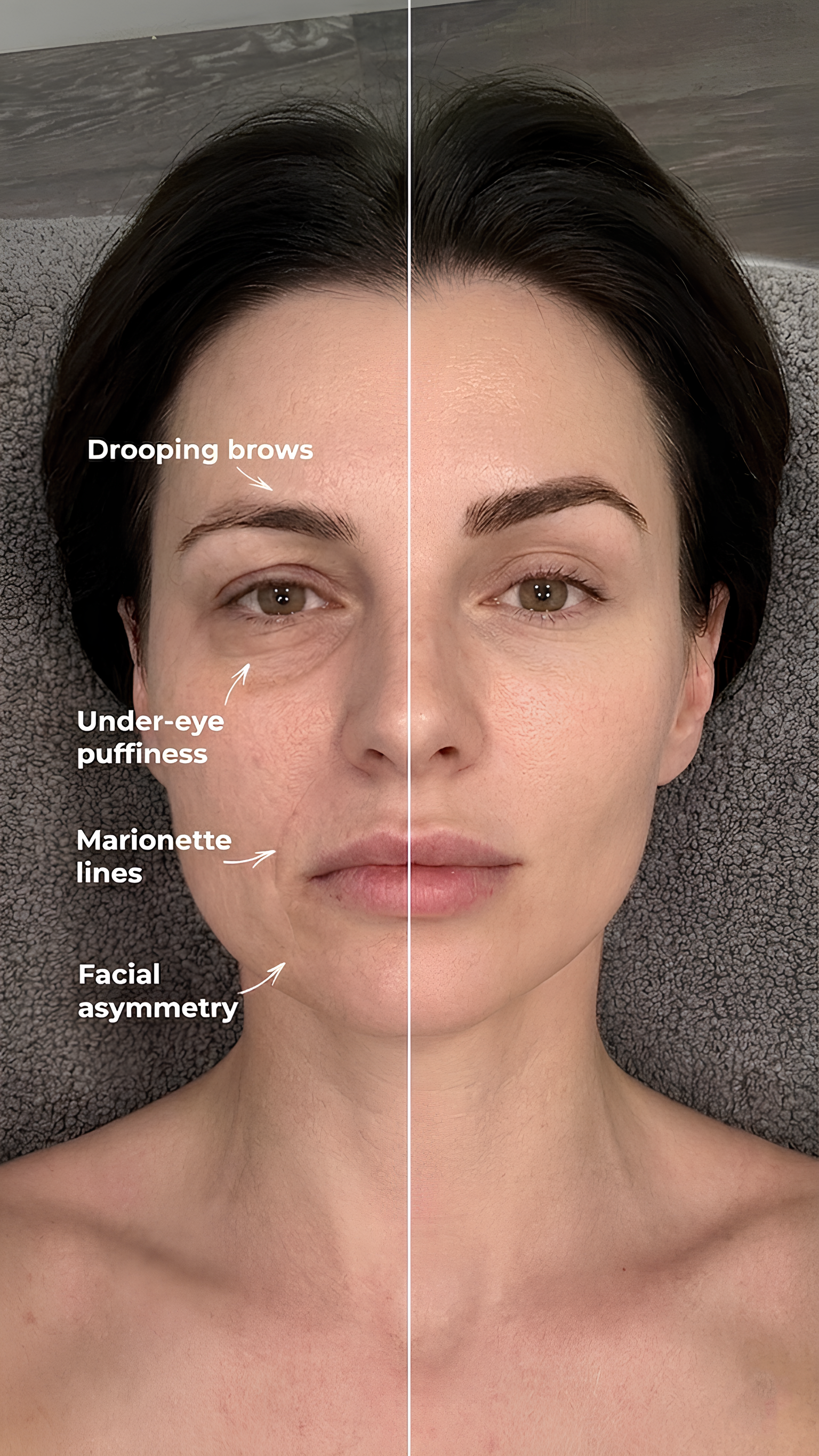
• under-eye puffiness
• drooping brows
• nasolabial folds
• marionette lines
• facial asymmetry
• loss of facial contour definition
Lesson Structure:
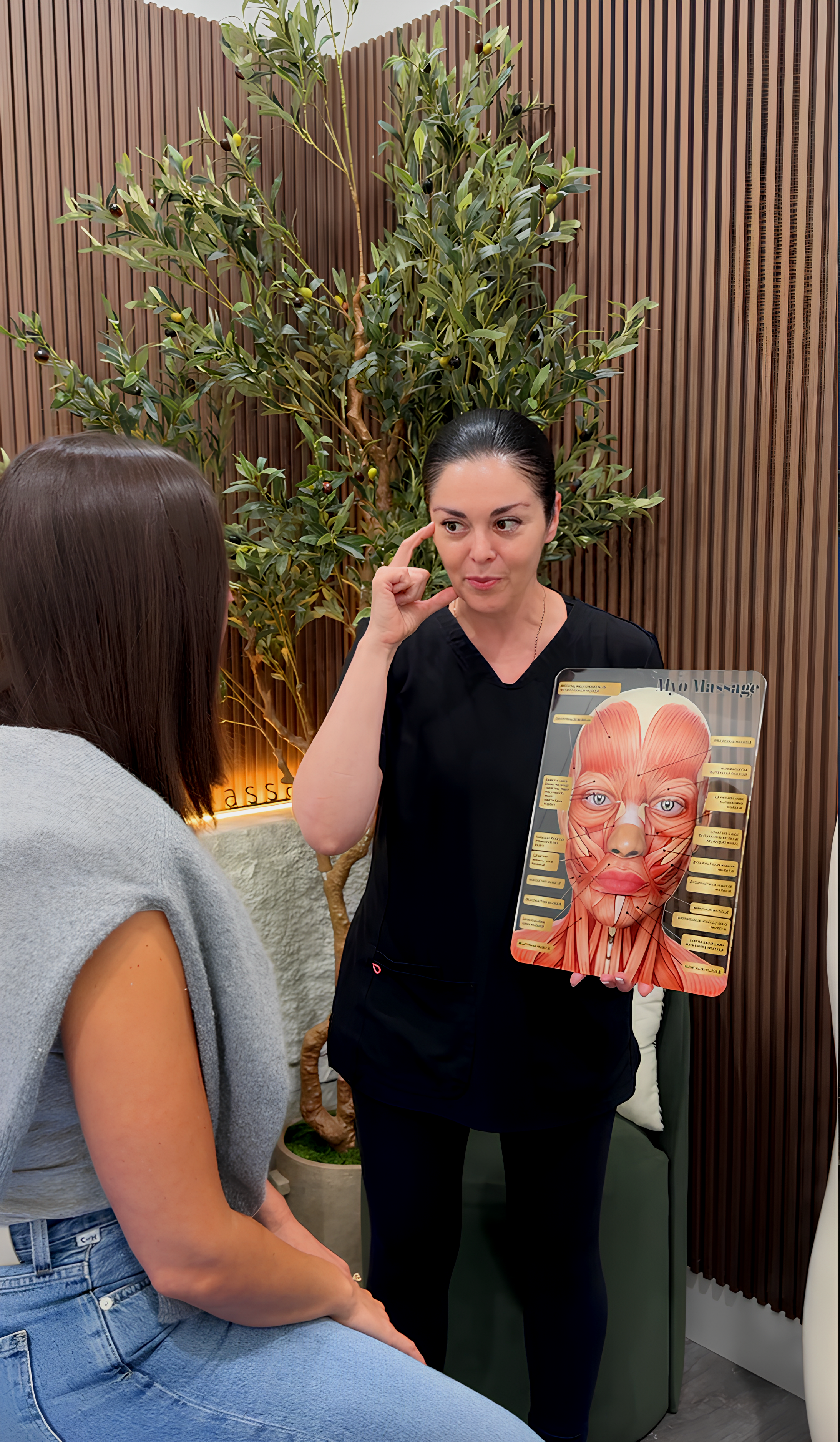
Theory
5-7 minutes
How emotions turn into muscle tension and spasms
Where the orbicularis oculi, eyebrow muscles, and the scalp aponeurosis are located
Why the eye area is connected to the neck, the back of the head, and even breathing
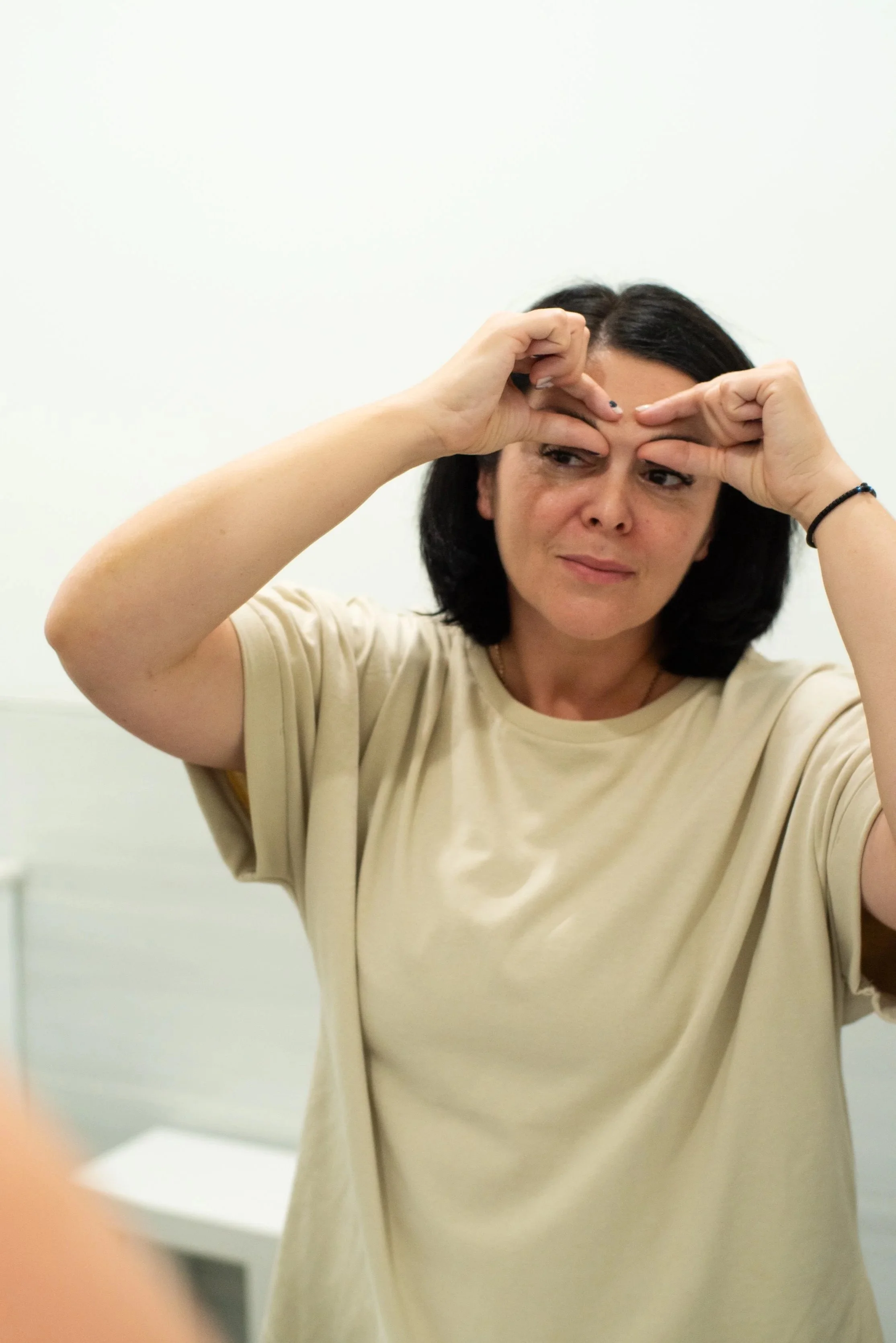
Practice
12-15 minutes
Scalp Aponeurosis Activation
Forehead Friction
Half-Moon Technique for the Eyebrow
Eyebrow Compression Technique
Figure-Eight Technique for the Eye Area
Kibler Skin Fold
Smoothing the Upper Eyelids
Spring Activation for the Lower Eyelids
Opening the Midface
Buccal Technique Around the Eyes
Meditation
3-5 minutes
Integration is the most important part. This is where the nervous system switches from "control" mode to "trust" mode. This is where the body memorizes the new pattern.
Explore Our Memberships
Tier 1
$100
Bronze
Subscription
Popular
Tier 2
$200
Silver
Subscription
Tier 3
$300
Gold
Subscription
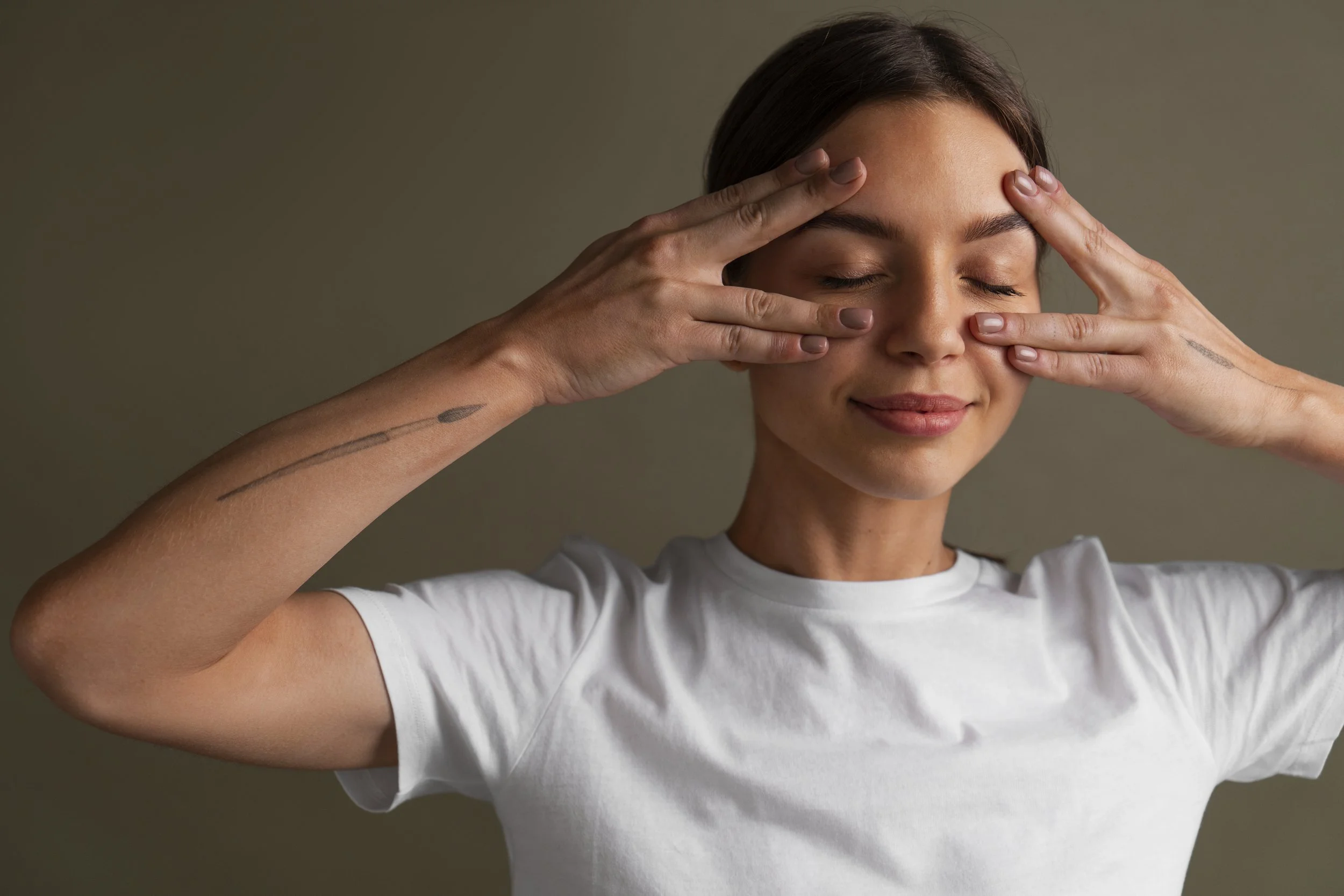
A 20-minute lesson that will teach you how to work with the most tense area of your face.
Jaw anatomy: where and how tension occurs
6 massage techniques for the masseter, temporal muscles, neck, and ear area
Step-by-step guided practice with demonstration of each movement
Meditation for integrating results
90 days of video access from purchase date
What's inside:
Our Team
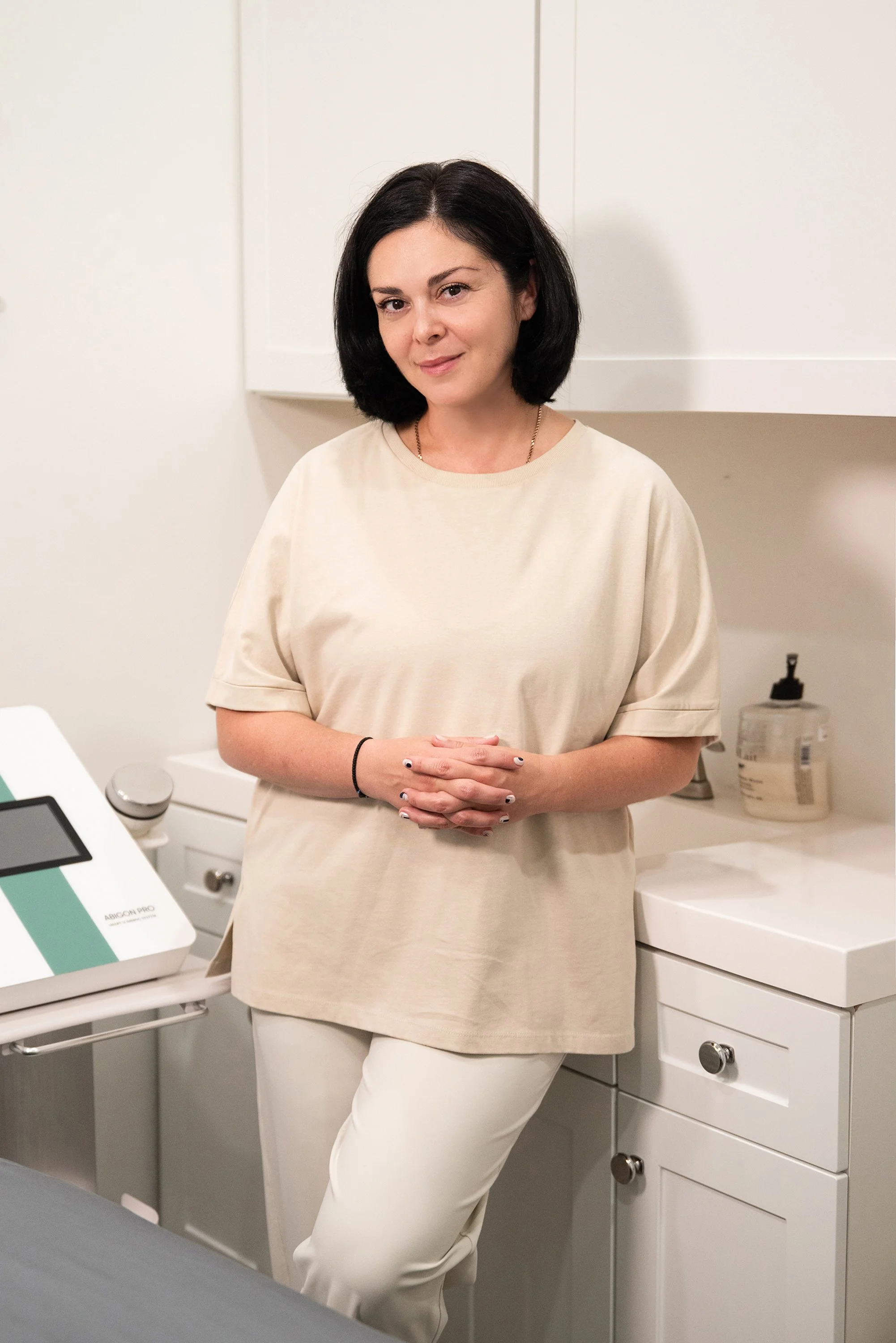
Dr. Natalia PhD
California license esthetician Facial and body Massage Specialist ( CMT). Professional educator. Natalia is a certified expert in sculptural myofascial facelift therapy, blending precise neuromuscular work with mindful touch. Her approach helps the body shift from stress to deep relaxation, releasing muscle tension and easing emotional stress naturally.
-
Academic Studio of Massage Art “Grass” Ukraine Lifting- draining facial massage, Face Gua Sha, lymphatic drainage in health practices .
Center of modern massage “Sfera”. Myofascial face massage; Buccal massage., TMJ therapy.
Center for kinesiology and biodynamics Alexander Podluzhny. Osteopathic scalp, face , body.
Myofascial massage of face and head courses according to Tatyana Shubina's method
Courses on facial and neck rejuvenation "International Academy Faceplasty and Osteopathy" Dr. Ulishchenko.
The course "Anatomy of aging" consisting of theoretical and practical parts: asahi, gua sha, facial rejuvenation techniques, face taping with the further right to teach rejuvenation techniques teacher Dr. Natalia Chichuk.
Andaman Institute of Massage, Swedish classical massage, reflexology, Thai massage, sports massage, tuina massage (TCM).
Certified in Ericksonian Communication and Mind-Body Relaxation Techniques (AEMC, Kyiv, Ukraine). This training introduced principles of Ericksonian communication and deep relaxation methods that support emotional release and body-mind balance during therapeutic bodywork.
Metadiagnostic Analysis training is designed to improve professional skills in emotional release work,
psychosomatic integration, and body-mind connection techniques.
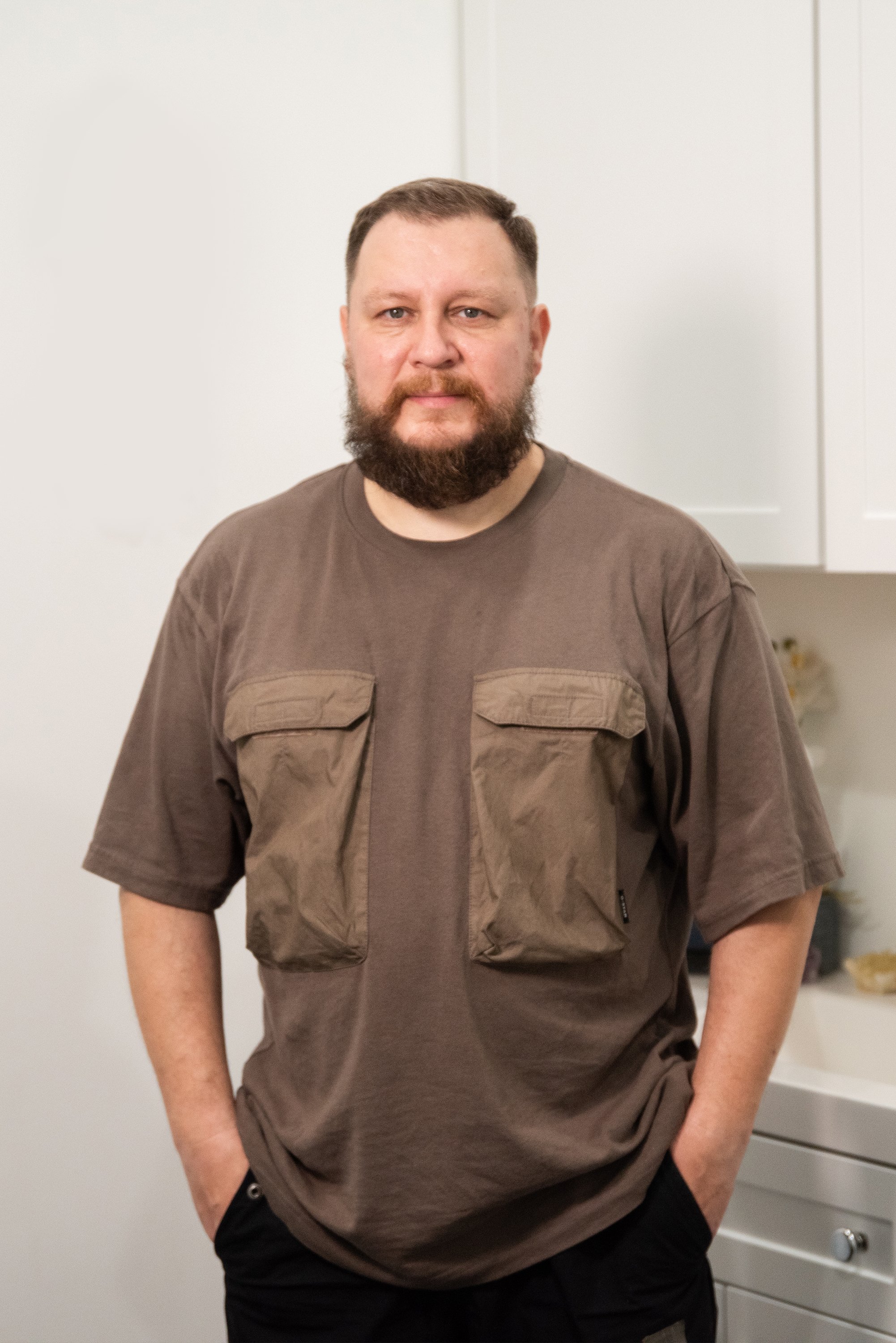
Aleksei
Body & Mind Work Practitioner & EducatorAleksei has developed an excellent pain relief system. He provides therapeutic massage, treats pain in the back-neck-head-arms-legs-joints (such diagnoses as osteochondrosis, scoliosis, hernias, arthritis), if in one word he treats myofascial pain syndrome.
-
International Start Aesthetic Institute Certification ( Classic massage. Sports massage. Personal Fitness coach)
Myofascial release by Barnes -Ostheopathy - Thai massage therapy - Massage Academy" Grasa" Guasha therapy as physical rehabilitation and body correction. - LifeProPlus massage school - “Thai Foot massage ” - Massage School of lymphatic drainage in health practices of a massage device INARI Ukraine massage education: - Andaman Institute of Massage - Animal Flow Level 1 - FMT RockFloss - FMT RockPods
Certified in Ericksonian Communication and Mind-Body Relaxation Techniques (AEMC, 2025, Kyiv, Ukraine). This training introduced principles of Ericksonian communication and deep relaxation methods that support emotional release and body-mind balance during therapeutic bodywork
Myo Face & Body Connection — Method Philosophy
The Face & Body Connection method is based on a simple, yet often forgotten idea:
the body and emotional state are one unified system, not two separate processes.
In everyday life, most people gradually lose contact with their own bodies. We become used to ignoring its signals — tension, fatigue, compression, shallow breathing — and continue functioning on “autopilot,” without realizing that the body is constantly communicating with us.
Over time, this can lead to:
• the level of internal stress no longer being consciously felt,
• muscular tension becoming habitual and persistent,
• the face and body reflecting not the present moment, but accumulated reactions from the past.
Our method is not about “fixing” the body.
It is about restoring connection — learning to notice the body’s signals, understand them, and respond to them gently and consciously.